
History of Computers
Computers have evolved significantly over time, from simple counting tools to the powerful devices we use today. Understanding this evolution helps us appreciate how technology has transformed our world.
Learning Objectives
By the end of this lesson, you should be able to:
Early computational tools
This lesson traces how our tools evolved from simple counting of fingers to thinking machines, each invention solving the limitations of what came before.
1. Fingers

IN THE BEGINING
(Prehistoric Times)
- The most basic counting system in human history using fingers as a natural, method for tracking small quantities.
- Every human civilization independently discovered this method, proving that counting is a fundamental human need
Primary Benefits:
- Basic Trading: Showing "three fingers" to indicate three baskets of grain in market exchanges
- Animal Tracking: Shepherds raising one finger per sheep to count their flocks
- Time Measurement: Using finger segments or knuckles to track days or seasons
- Early Education: Children learning numbers by associating quantities with their fingers
Why this method was important:
- Intuitive System: Created the foundation for base-10 (decimal) counting.
- Cross-Cultural: Developed independently across all human societies.
Limitations:
- Memory Problem: Once you lowered your hand, the count disappeared—no permanent record existed
- Scale Limitation: Maximum of 10 (or 20 with toes), useless for larger flocks, harvests, or populations
- Verification Issue: No way to prove counts to others or verify past transactions
- Sharing Difficulty: Couldn't transfer information across time or space, the count died with the moment
- These exact problems created the need for the first true computational tool...
2. Tally Sticks
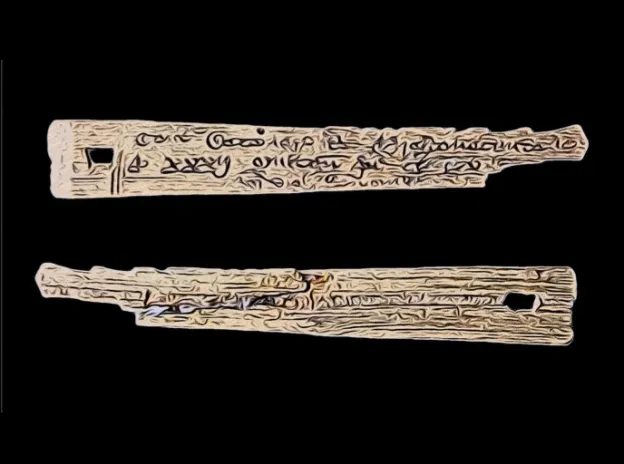
Tally sticks (35,000 BC)
First known data recording device Bones, sticks, or ivory with carved notches (scratches) representing numbers, the first physical memory device for recording information.
Primary Benefits:
- Tracking days: One notch carved per day passed
- Recording debts: "You owe me 7 chickens" (7 notches on a stick, split in half, each person keeps half as proof)
- Census taking: Notches for people in a village
Key Breakthrough:
- Permanent recording - Information lasts beyond memory
- Physical verification - Both parties in a transaction could hold proof
Limitations:
- Only good for simple counting, not designed for calculations
- Hard to perform operations like adding or comparing multiple tallies
3. Countung Boards
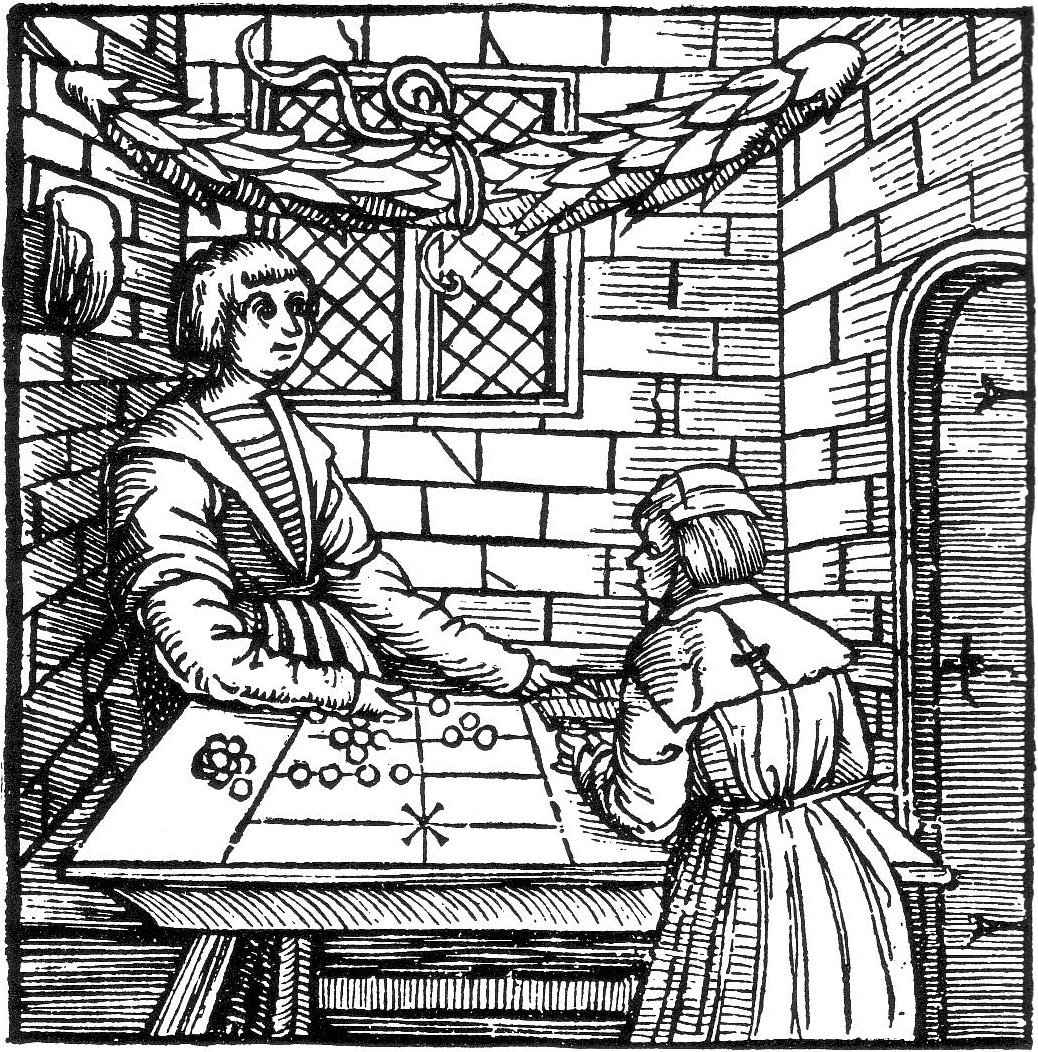
Counting Boards (300 BC)
First organized calculation system Tables or boards with drawn lines and movable pebbles or counters, introducing place value (ones, tens, hundreds) for arithmetic.
How It Worked:
- Draw lines for ones, tens, hundreds, etc.
- Move pebbles between lines to add or subtract
- Automatic carrying: When ones line reached 10, move 1 pebble to tens
Key Breakthrough:
- Place value system - Position determines number value
- Enabled arithmetic operations - Adding, subtracting, multiplying
- Organized calculation - No more messy tally sticks
Limitations:
- Setup required - Needed to draw lines and find counters
- Accident-prone - Easy to disturb or spill the pebbles
- Not portable - Fixed board, not easy to carry
4. The Abacus
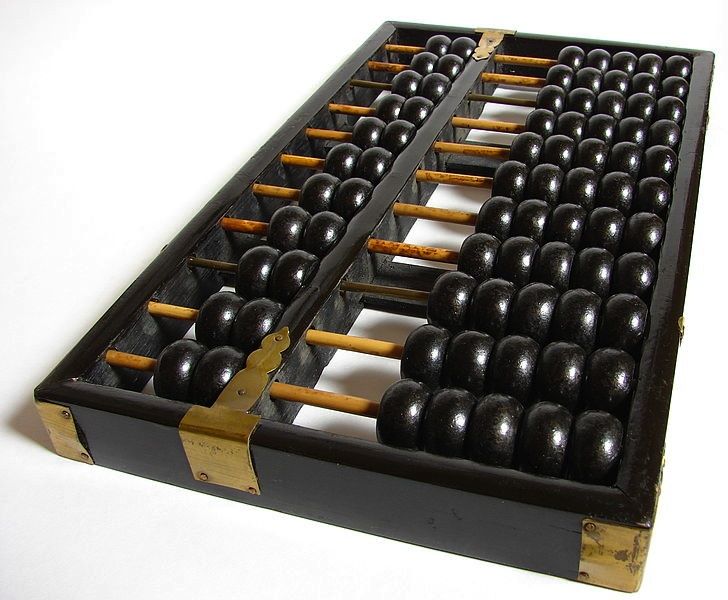
The Abacus (1100 BC)
First engineered calculator A wooden frame with fixed rods and sliding beads - the portable, organized version of the counting board that made calculation faster.
How It Worked:
- Each rod = place value (ones, tens, hundreds)
- Beads slide up/down to represent numbers
- Automatic carrying when a rod fills up
- Skilled users could calculate faster than early electronic calculators!
Key Breakthrough:
- Portable & durable - Unlike counting boards
- Faster calculations - Beads stay organized
- Efficient operations - Expert users were lightning fast
- Still used today in competitions and education
Limitations:
- Required training - Not intuitive for beginners
- Still manual - Human moves every bead
- No automatic results - User must interpret bead positions
5. NAPIER'S BONES
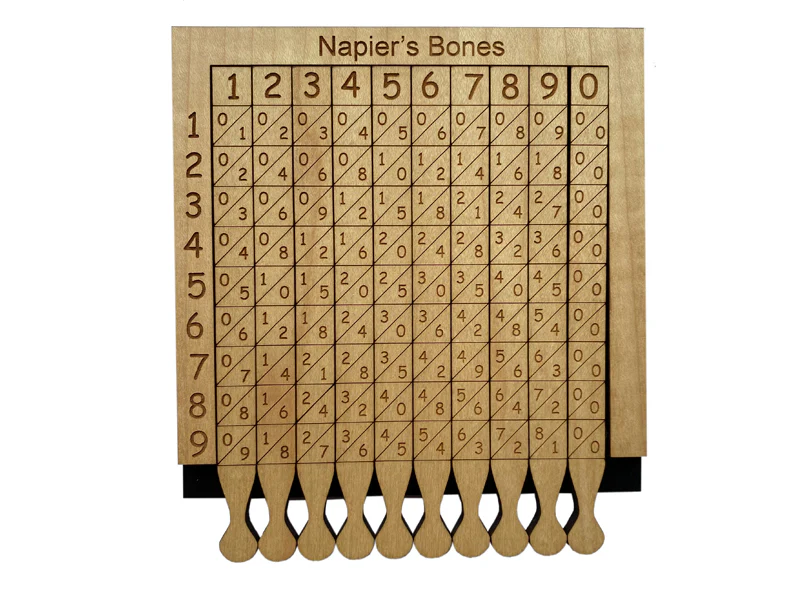
Napier's Bones (1617)
The first mathematical shortcut tool Ten rectangular rods (often ivory or wood) with multiplication tables carved on each side, invented by Scottish mathematician John Napier.
How It Worked:
- Each rod = multiplication table for a digit (0-9)
- Place rods side-by-side to form a multi-digit number
- Read across rows to get partial multiplication results
- Add diagonally to get final answer
Key Breakthrough:
- Multiplication simplified - Broken into single-digit lookups
- Based on logarithms - Napier's mathematical breakthrough
- No moving parts - Just rods and paper
- Led to the invention of the slide rule
Limitations:
- Only helps multiplication/division
- Doesn't calculate - User still adds results manually
- Limited to pre-calculated tables on rods
6. THE SLIDE RULE
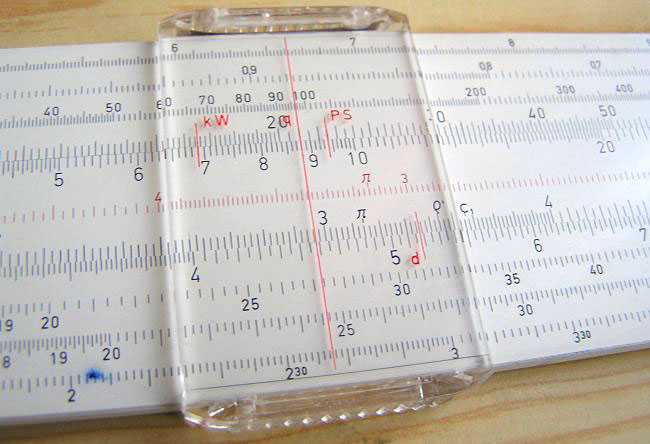
The Slide Rule (1622)
The first analog computer Two or more rulers with logarithmic scales that slide against each other, invented by William Oughtred based on Napier's logarithm discovery.
How It Worked:
- Align numbers on sliding scales
- Read answers where scales match up
- Could multiply, divide, find square roots
- Even do trigonometry and exponents
Key Breakthrough:
- Continuous calculations - Not limited to whole numbers
- Complex functions - Roots, exponents, trigonometry
- Fast answers - Once set up, answers appear immediately
- Used by NASA engineers to design Apollo moon missions!
Limitations:
- Limited precision - Typically 3 significant figures
- Approximate answers only - Not exact calculations
- Required skill to use correctly
7. THE PASCALINE
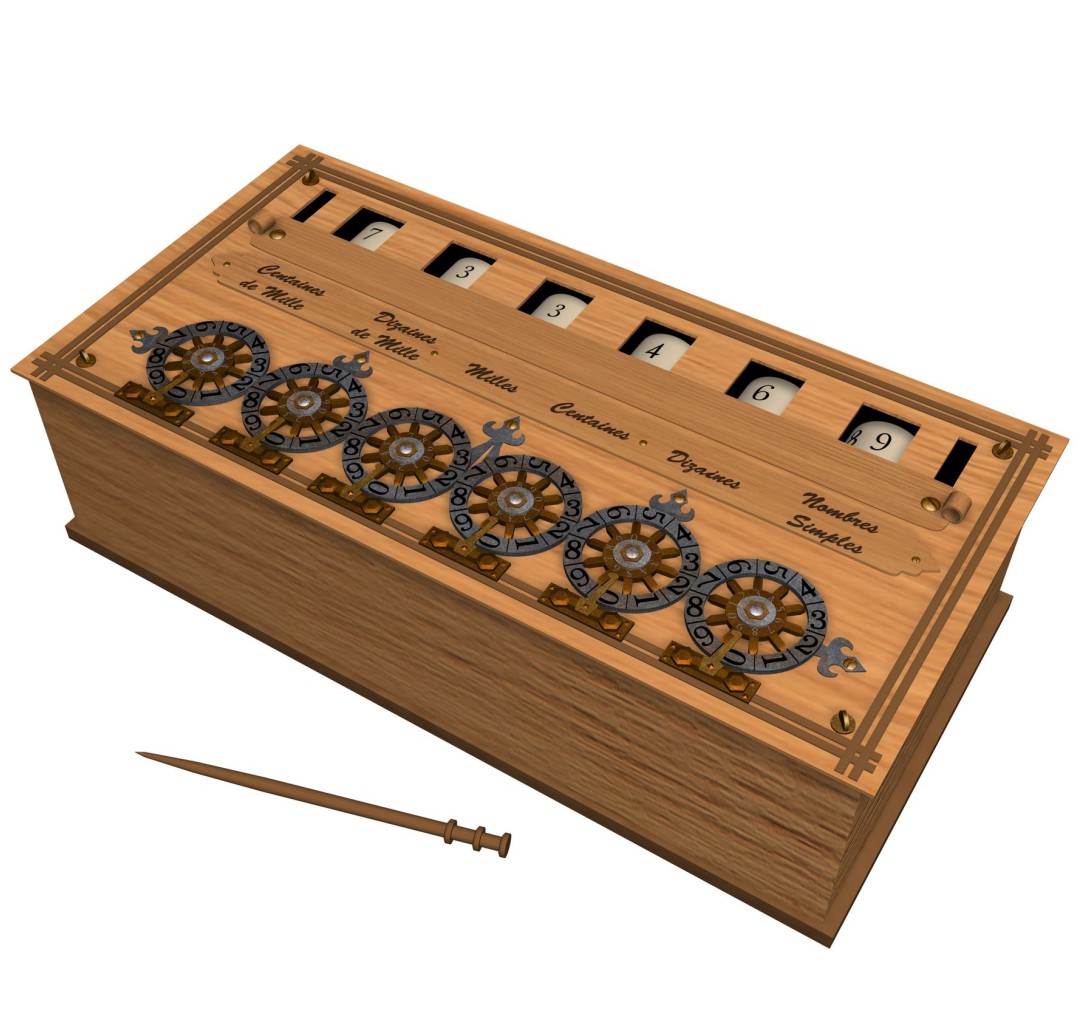
The Pascaline (1642)
The first mechanical calculator A brass box with dials and clock-like gears inside, invented by 19-year-old Blaise Pascal to help his father with tax calculations.
How It Worked:
- Set numbers by turning dials (ones, tens, hundreds)
- Turn dials to add or subtract
- Gears automatically handled carrying (when 9→0, add 1 to next column)
- Read results through small windows
Key Breakthrough:
- Automatic carrying - Machine handles place value automatically
- True calculation - Machine performs operations, not just aids them
- First mechanical calculator - Moving from tools to machines
- Built for practical use (tax collection)
Limitations:
- Very expensive - Only about 20 were ever made
- Only add and subtract - No multiplication or division
- Complex mechanism - Prone to jamming and breakdowns
8. STEPPED RECKONER
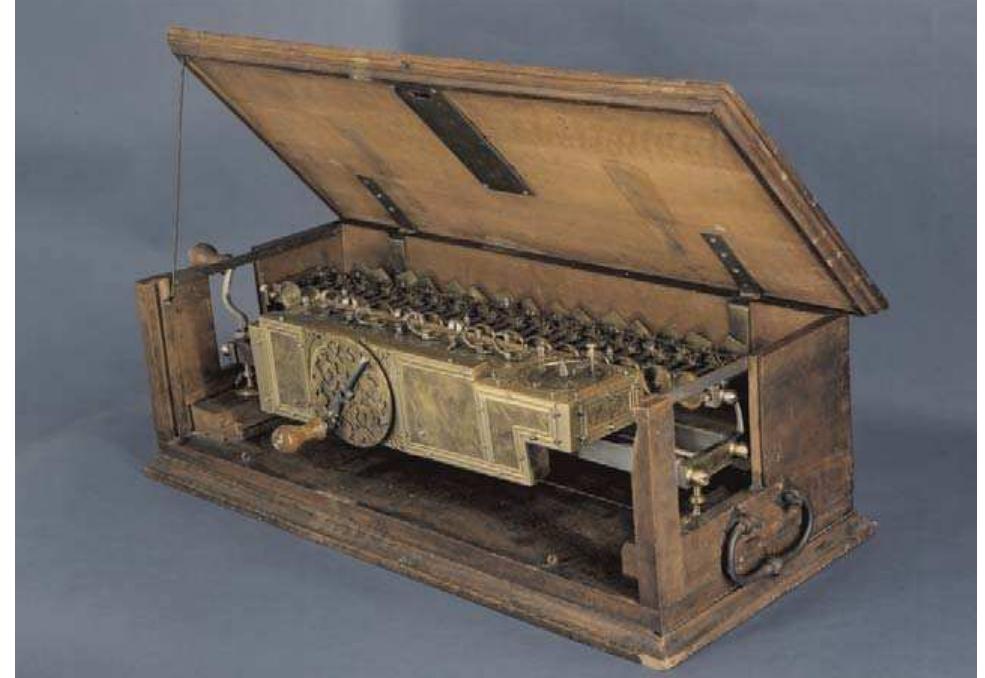
The Stepped Reckoner (1673)
The first four-operation calculator An improved mechanical calculator using a "stepped drum" with different length teeth, invented by Gottfried Wilhelm Leibniz.
How It Worked:
- Set numbers on input dials
- Turn crank to perform calculations
- For multiplication: crank X times, shift position, crank Y times
- Could add, subtract, multiply, and divide
Key Breakthrough:
- All four operations - First machine for +, -, ×, ÷
- Stepped drum mechanism - Used in calculators for 300 years
- Inventor also created binary system (0s and 1s)!
- More practical than Pascaline for complex math
Limitations:
- Very complex mechanism - Difficult to build and repair
- Not reliable - Prone to mechanical failures
- Manual shifting required for multiplication
9. THE JACQUARD LOOM
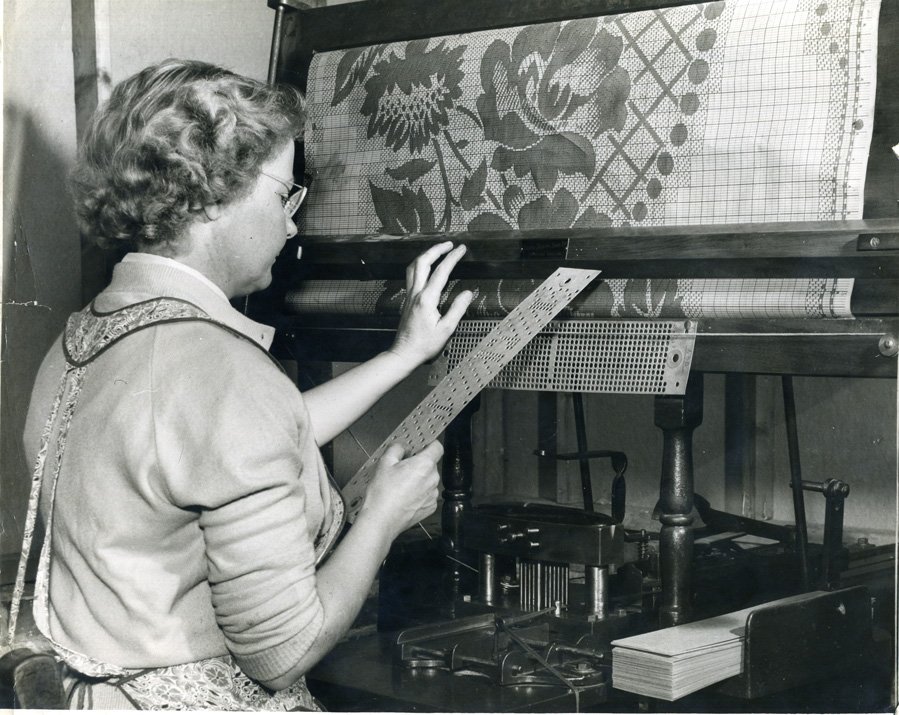
The Jacquard Loom (1804)
The birth of programming A weaving loom controlled by punched cards - where holes in cards determined which threads lifted to create complex patterns.
How It Worked:
- Design pattern on grid paper
- Punch holes in cards for each row of pattern
- Chain cards together in sequence
- Loom reads cards automatically: hole = lift thread, no hole = leave down
- Perfect pattern repetition every time
Key Breakthrough:
- Stored programs - Instructions (cards) separate from machine
- Automated complexity - One setup creates endless perfect repetitions
- Binary control - Hole/no hole = yes/no decisions (like modern computers!)
- Inspired computer punch cards for next 150 years
Limitations:
- Only for weaving - Not a general purpose computer
- Cards time-consuming to create and punch
- Large storage needed for complex patterns
10. ANALYTICAL ENGINE
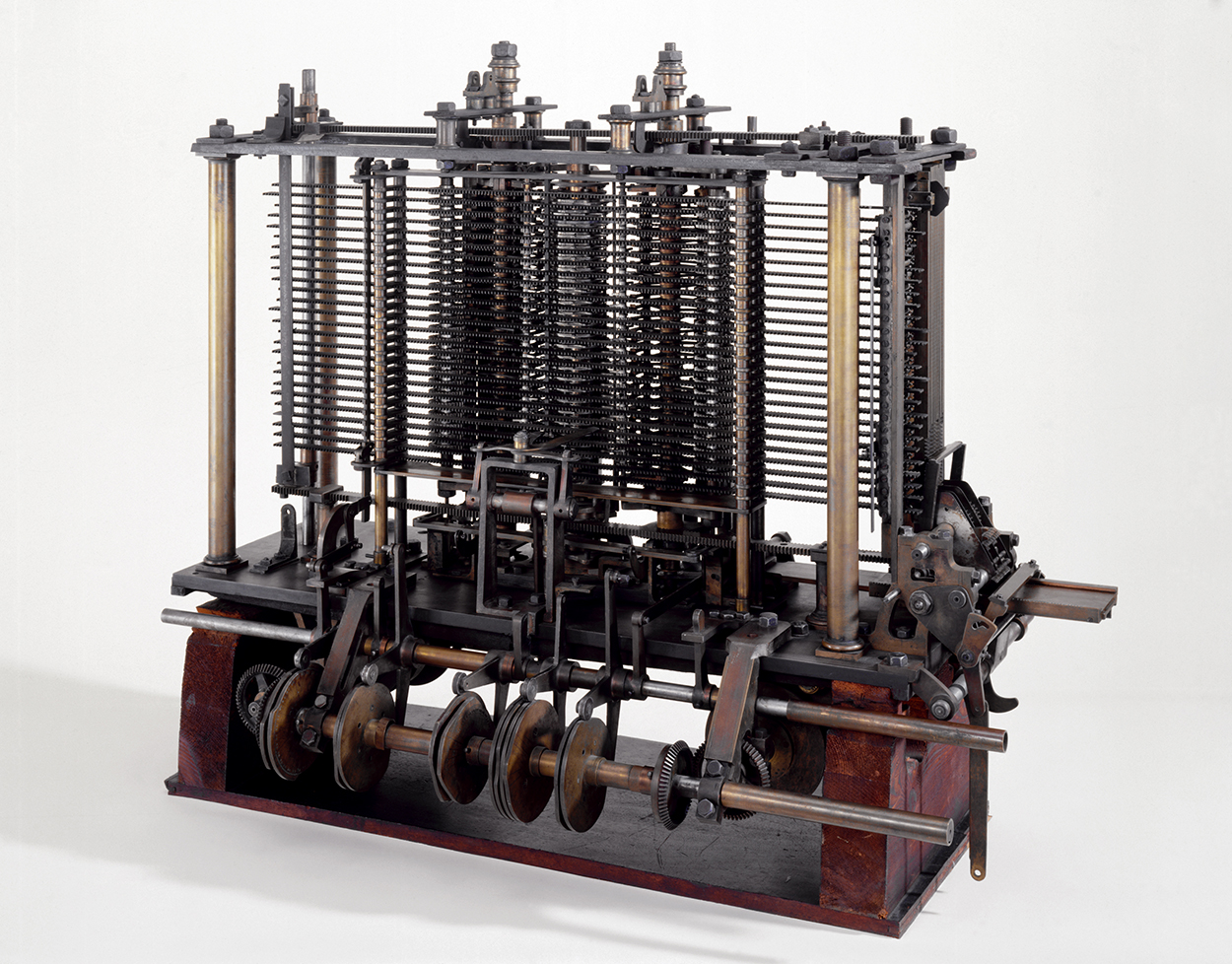
The Analytical Engine (1837)
The first computer design A steam-powered mechanical computer the size of a locomotive, designed (but never fully built) by Charles Babbage.
Key Components:
- "Store": Memory for 1,000 numbers
- "Mill": CPU for calculations
- Input/Output: Punched cards (from Jacquard)
- Printer: Automatic result printing
- Steam engine power
Key Breakthrough:
- General purpose - Programmable for ANY calculation
- Complete architecture - Memory, processor, I/O (like today's computers!)
- First programmable computer design
- Ada Lovelace wrote first program for it, predicting computers could handle more than just numbers
Limitations:
- Never fully built - Only existed on paper
- Massive size - Would have been locomotive-sized
- Mechanical limitations - Technology couldn't build it precisely enough
11. HOLLERITH CENSUS MACHINE
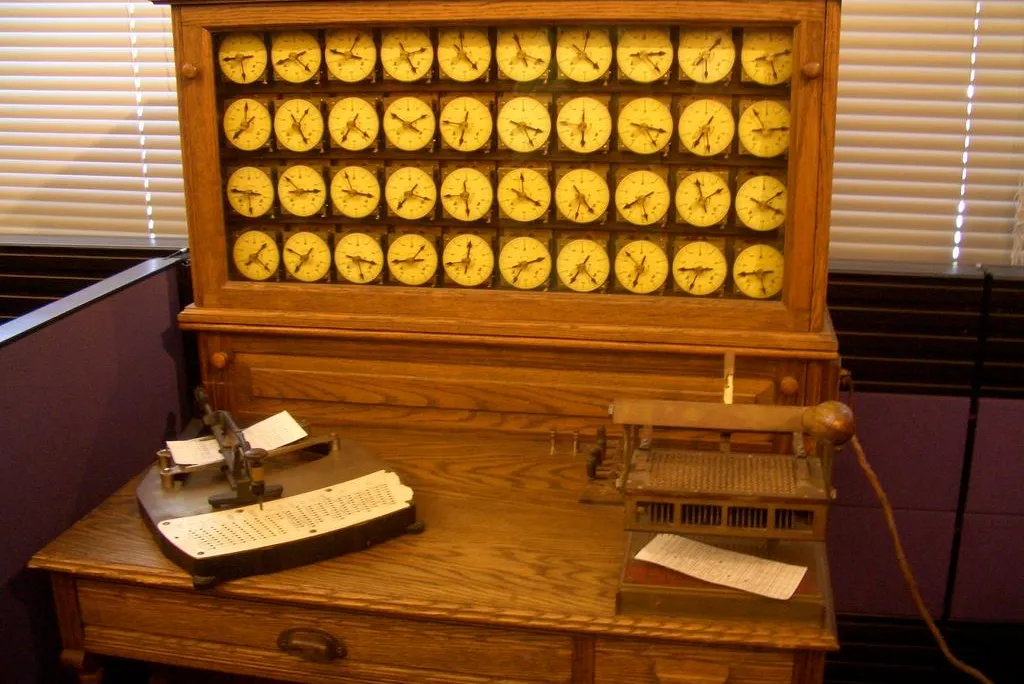
Hollerith Census Machine (1890)
The data processing revolution An electromechanical tabulator using punched cards to sort, count, and process large amounts of information, invented by Herman Hollerith.
How It Worked:
- Each person's data punched into cards
- Machine read cards with electrical needles
- Where needle found hole = circuit completed
- Automatically sorted cards into bins
- Counters tracked totals for each category
Key Breakthrough:
- Data processing - Not just calculation, but sorting & tabulating
- Electricity used - Faster than purely mechanical machines
- Massive time savings: 1880 census took 7 years, 1890 took 1 year!
- Practical business application - Real-world problem solving
Legacy & Limitations:
- Hollerith's company became IBM in 1924
- Still limited to specific tabulating tasks
- Required manual card punching and setup
- Only processed pre-defined categories
12. ANTIKYTHERA MECHANISM
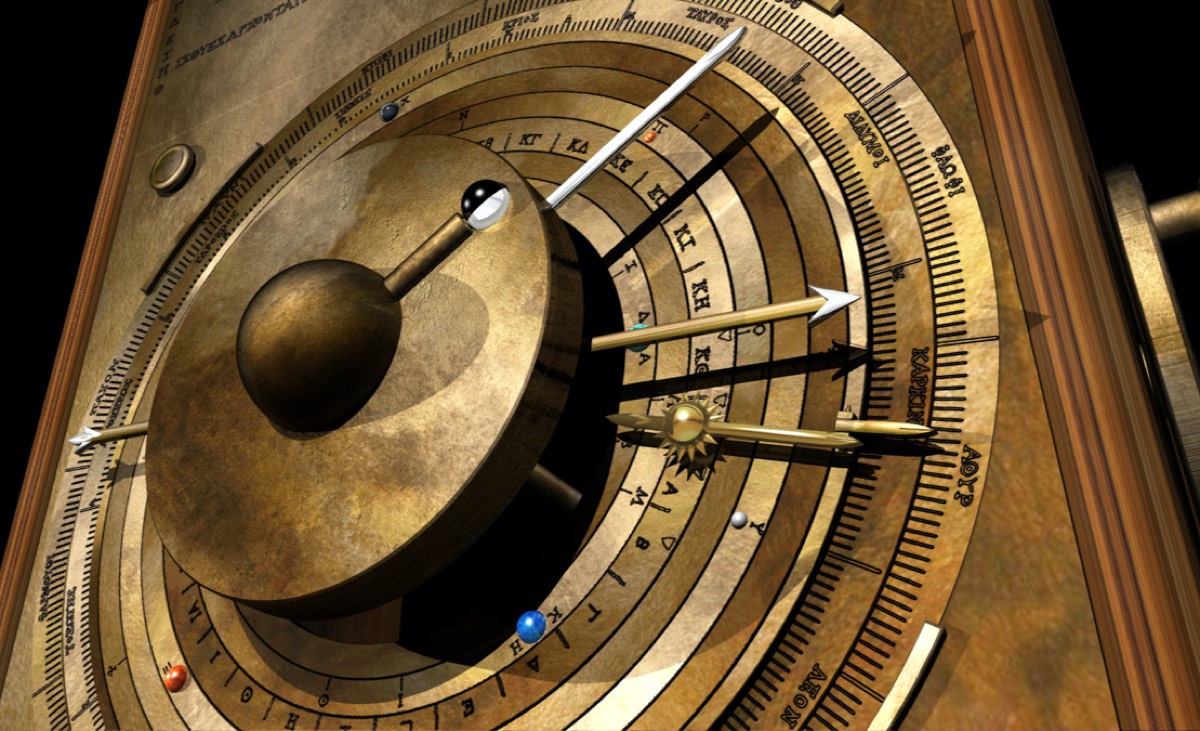
Antikythera Mechanism (100 BC)
The ancient mystery machine A hand-sized bronze device with 30+ interlocking gears, discovered in a Greek shipwreck and understood only in the last 20 years.
What It Did:
- Predicted solar and lunar eclipses
- Tracked positions of sun, moon, and 5 planets
- Showed Olympic game cycles (4-year calendar)
- Calculated complex moon cycles with 223-tooth gear
- Ancient Greek "astronomy computer"
Key Significance:
- Proves complex computation existed 2,000 years ago
- Mechanical astronomy - Physical model of cosmic cycles
- Incredibly precise engineering for ancient times
- Lost technology - Nothing this complex appears again until medieval clocks
Historical Mystery:
- Only one ever found - Was it unique?
- Technology lost for 1,000+ years
- How did ancient Greeks make such precise gears?
- Limited to astronomical calculations only
Test Your Understanding
Now that you've completed studying the history of computational tools, it's time to test your knowledge. Take this short quiz to see how well you've understood the key concepts and developments.
Take History TestLesson Summary
Key Development Stages
The journey from simple counting to complex computation followed these major stages:
- Natural Tools (Prehistory): Fingers and body parts
- Recording Devices (35,000 BC): Tally sticks for permanent records
- Calculation Systems (300 BC): Counting boards with place value
- Mechanical Calculators (1600s): Pascal's Pascaline and Leibniz's Stepped Reckoner
- Programmable Concepts (1800s): Jacquard Loom and Analytical Engine
Learning Achievements
You have now achieved the first learning objective: Identify the earliest computational tools
- Recognize how humans progressed from counting to computing
- Understand why each tool was invented (to solve specific limitations)
- Appreciate how ancient tools laid foundations for modern computers
- See the connection between early tools and today's technology
Ready for the Next Step
Now that you understand the earliest computational tools, you're ready to explore how these concepts evolved into the modern computer generations. The next lesson will trace the development from vacuum tubes to microprocessors, showing how each generation built upon the principles established by these early tools.